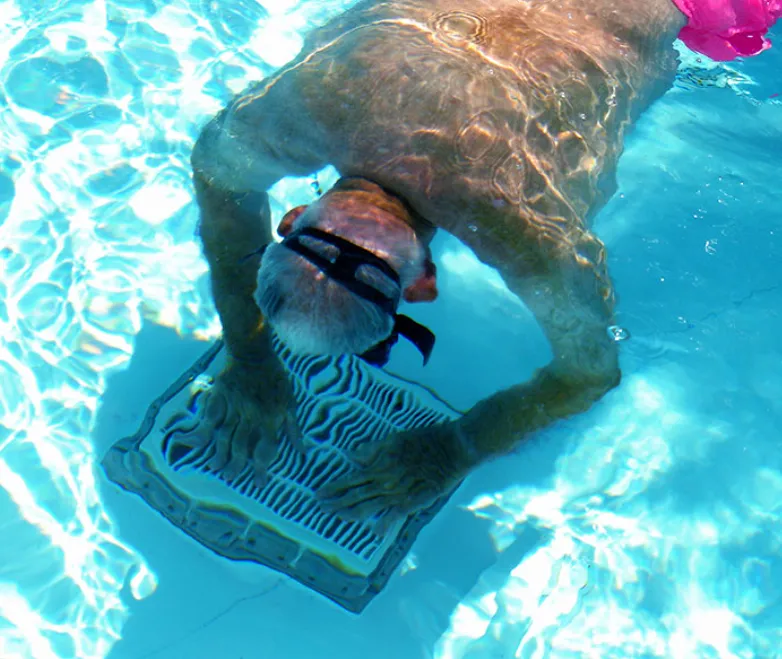
Outdated or improperly covered pool drains can trap hair, clothing, or limbs, posing a serious hazard that’s often overlooked until tragedy strikes. A Baltimore pool injury attorney can pursue claims when a pool owner fails to meet federal anti-entrapment safety standards. This article examines the investigation of drain injuries from a legal perspective.
Understanding the Dangers: How Pool Drain Suction Injuries Occur
The Basics of Pool Drain Suction
Pool drain suction injuries are often the result of a powerful force created by the pool’s circulation system. The drains, typically located at the bottom of pools, act to filter and circulate water, but can become hazardous if not properly maintained. The danger primarily arises when a swimmer comes in close contact with an uncovered or improperly maintained drain, leaving them susceptible to getting trapped against the drain due to the intense suction force.
Factors Contributing to Drain Suction Injuries
Several factors contribute to the risk of pool drain accidents. Outdated pool systems that lack anti-entrapment safety measures are particularly susceptible to this issue. Federal regulations require pool owners to ensure the installation of safety drain covers and automatic shut-off systems to prevent such incidents. However, non-compliance and neglect in maintenance can lead to failures in these safety measures.
Key Federal Safety Standards for Pool Drains
Virginia Graeme Baker Pool and Spa Safety Act
Born out of tragedy, the Virginia Graeme Baker Pool and Spa Safety Act (VGB Act) is the cornerstone of federal pool safety regulations in the United States. Named after a young girl who tragically lost her life due to suction entrapment, the VGB Act mandates that all public pools and spas must be equipped with anti-entrapment drain covers that meet specific safety standards. These covers are designed to prevent hair, limbs, or articles of clothing from being trapped by the drain’s powerful suction, significantly reducing the risk of injury. Compliance with these standards is not optional; it is a legal obligation for pool operators, ensuring safer swimming environments for all.
Anti-Entrapment Device and System Requirements
In addition to requiring compliant drain covers, the VGB Act stipulates the implementation of secondary anti-entrapment systems. These systems include safety vacuum release systems (SVRS), suction-limiting vent systems, or gravity drainage systems, each designed to automatically release or shut down suction when a blockage is detected. SVRS, for instance, is a highly effective mechanism that senses any sudden increase in vacuum pressure and reacts by quickly cutting off the pump’s power.
Compliance and Enforcement
Ensuring adherence to these federal standards is a critical task for pool operators, and non-compliance can result in severe legal consequences. Regular inspections and maintenance are crucial to maintaining the integrity of safety devices and systems. Pool owners are encouraged to perform frequent checks and engage professional inspectors annually to verify that all equipment meets the required standards. Failure to comply not only risks legal action but also endangers the well-being of swimmers, emphasizing the importance of rigorous enforcement and ongoing vigilance.
Legal Implications: Investigating Pool Drain Suction Injuries
Understanding Legal Responsibility
Ensuring swimmer safety requires adherence to federal and local regulations. When accidents involving pool drain suction occur, the legal responsibility often falls on the pool owner or operator. They are obligated to meet specific safety standards, such as those outlined in the Virginia Graeme Baker Pool and Spa Safety Act, which mandates the use of anti-entrapment drain covers and other safety measures. Failure to comply with these regulations can result in legal consequences, as pool owners may be deemed negligent if a drain injury occurs under their supervision.
The Role of Evidence in Legal Cases
In the aftermath of a pool drain injury, gathering evidence is a crucial step in the legal process. This involves collecting testimonies from witnesses, acquiring maintenance records, and examining the pool’s compliance with safety standards. Evidence such as photographs of the pool drain and its surroundings can be pivotal, as they may reveal whether the drain was covered correctly or if there were any visible hazards. Legal experts often rely on this evidence to establish liability and build a compelling case for the injured party.
The Importance of Legal Representation
Securing knowledgeable legal representation is vital for those affected by pool drain injuries. Attorneys specializing in personal injury or premises liability law can navigate the complexities of these cases, advocating on behalf of victims to ensure they receive the compensation they deserve. Lawyers play a critical role in negotiating with insurance companies or representing clients in court, emphasizing the necessity of having skilled legal counsel to address the intricacies of these unfortunate incidents.
Final Thoughts
When navigating the waters of pool safety, understanding the potential dangers associated with drain suction is crucial. By staying informed about the legal standards and safety measures, you can better protect yourself and others from preventable accidents. Consulting a Baltimore pool injury attorney can help you understand your legal responsibilities and options if safety standards are violated.
