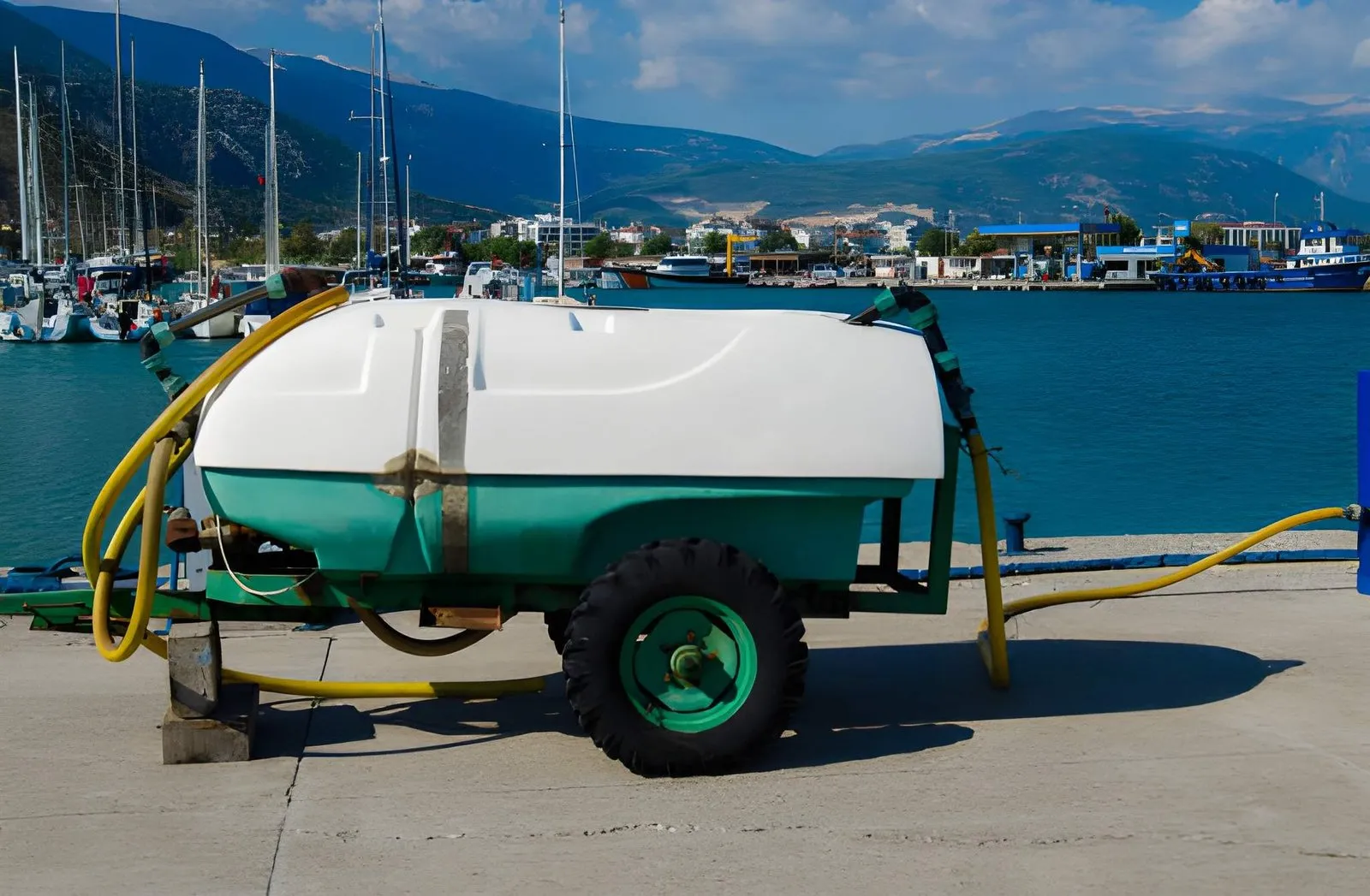
A water tank that slides into a tipper tray is a simple idea with long reach. Councils run them. Civil crews run them. Mine sites run them from first light to knock off. TTi builds slip on units from 2,000 litres up to 17,000 litres, all made in Australia. A crew fitting out mobile slip on water carts gets one truck that hauls gravel on Monday and wets a haul road on Tuesday. Applied water cuts road dust by about 75%, the control figure the US EPA uses in its own emission models. One tank. Two jobs. No second truck sitting idle in the yard.
What jobs do mobile water carts actually do?
Dust control leads the list, and the numbers back it. Unpaved roads produce roughly 47% of all fugitive PM10 dust, so wetting the surface does more for site air than almost anything else on the job. The rest of the work list is long.
- Dust suppression on haul roads, subdivisions and quarry tracks
- Compaction water for road base during earthworks
- Tree and turf watering for councils and landscapers
- Plant and wheel wash down, including biosecurity checks at farm gates
- Stock water runs to paddock troughs
- Standby fire fighting on rural blocks and harvest days
Why pick a slip on instead of a fixed water truck?
Cost and freedom. A dedicated water truck earns money only when water is needed, while a slip on turns an existing tipper into a water cart in under an hour, then comes straight back out. Forklift pockets and lifting lugs on the skid frame make the swap a two person job. That flexibility matters for hire fleets, where one truck might spray in February and cart soil in March.
Which features separate a good unit from an average one?
The baffle system. Ten thousand litres of water weighs ten tonnes, and loose water shoves hard against a tank wall every time the truck brakes. TTi fits a LiquidLocker baffle setup that stops that surge, which keeps the steering predictable on a slope. Tanks are food grade poly built to AS4766:2006, UV stabilised, with warranties running 20 to 25 years. Engines come as Honda petrol or Yanmar diesel with electric start. Pumps run 1,000 or 1,600 litres a minute through three inch spray heads.
What size tank suits your truck?
Match the full weight to the truck GVM before anything else, because water weighs a kilogram per litre and the frame adds more on top.
| Tank size | Weight when full | Truck it suits | Common use |
|---|---|---|---|
| 2,000L | About 2.2 tonnes | Light tipper or heavy ute | Tree watering, wash down |
| 4,000L | About 4.4 tonnes | 4×4 tipper | Small civil sites, tracks |
| 8,000L | 9.45 tonnes | 8 tonne tipper | Road works, dust control |
| 13,000L | About 14 tonnes | Heavy tipper, mine spec | Haul roads, large earthworks |
The 8,000 litre FloodRite gives the clearest picture: 1,450 kg empty, 9,450 kg full, sitting 4,400 mm long and 1,990 mm high. Measure the tray length and the cab clearance first. A tank that fits the weight but fouls the hoist is no use at all.
How do spray controls change a day on site?
Three rear heads pointed centre, left and right let one operator wet a full lane width in a single pass. Semi rotary actuators open and close the spray from the cab, so nobody climbs down mid run. Add a dribble bar for slow, even watering along kerbs and new turf. Self loading legs let the driver park the unit without a forklift, which suits crews working away from the depot. Councils run the same setup across sports fields after a dry week.
