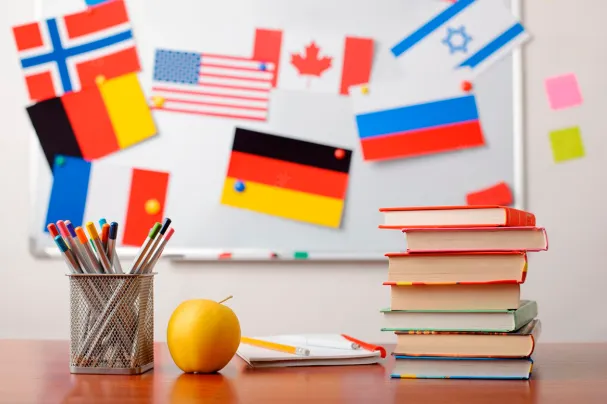
Reaching people in new countries starts with words. The way you speak to someone through your website, app, or product label makes a big difference. But when your content is being read by someone in another country, even small mistakes in language can confuse them. That’s why using a Malay translation company or any professional service with deep knowledge of the target language is very important.
Precision in language means saying the right thing, at the right time, in the right way. It’s not about using fancy words. It’s about using simple, correct words that make sense to the reader. In foreign markets, that matters more than people think.
Why Precision Means More Than Just Correct Spelling
Most people think that spelling and grammar are enough. But true language accuracy goes deeper. It includes word choice, tone, and even rhythm. Words must not only be right, they must feel right to the reader. For example, a casual sentence in English may sound rude in another language if translated word-for-word. A sentence meant to sound friendly may sound too bold. This can happen when content is not written with full awareness of the target culture.
Correct translation avoids this. Precision means knowing which words feel soft, which feel strong, and which are better left out. These details help your content feel local, even when the brand is not. Globallink Web focuses on getting translation right by handling both the language and the context carefully. It’s about choosing what fits and knowing what to leave out, so your content sounds natural to local audiences, no matter where they are.
Tone and Mood: Speaking Like a Local
Imagine telling a joke that no one understands. That’s what poor tone feels like in translated content. A formal product page in one country may need a more playful voice in another. But if the tone stays the same everywhere, it won’t connect. Linguistic precision allows brands to sound like they belong. It helps your message match local ways of speaking. For instance, younger audiences often use shorter, simple sentences. If your translation is too formal or long, you lose their attention.
Even greetings matter. “Dear customer” sounds fine in one market, but in another, it might feel cold. A more friendly greeting may help people trust your message. Only precise translation catches these small but big differences.
Product Descriptions: Every Word Counts
When people read about your product, they want clear facts. They also want those facts in the language they use every day. Bad translations may keep the facts, but they sound odd. This turns people away. One brand selling kitchen tools found that their sales dropped in a foreign market. The reason? Their product labels sounded robotic. After rewriting the text in natural, simple local language, their sales improved fast.
This shows how much every word matters. Good descriptions don’t just inform, they help people imagine using the product. That only happens when words are picked with care and local knowledge.
Instructions and Warnings: No Room for Mistakes
When giving steps or safety tips, the language must be perfect. A small change in wording can lead to wrong actions. This can lead to product misuse or safety risks. That’s why this is one of the most important places for precise language. For example, a sentence like “Do not plug before checking” must not be misunderstood. If someone reads “Do plug before checking,” the result could be damage or harm.
Linguistic accuracy is not just about quality, it’s about safety. It protects your brand from customer complaints, product returns, or worse. This is why many companies test their translated manuals with native speakers before release.
Legal Text and Agreements: Saying Exactly What You Mean
Legal content must be exact. Even one wrong word can change the meaning of a contract. If your business deals with terms, user policies, or disclaimers, the language must be sharp and correct. This is where experienced legal translators come in. They understand how local laws affect word choice. A word used in one legal system might mean something else in another. The translator must find the exact match in meaning, not just the word.
Linguistic precision here protects your business. It also shows that you are serious and professional, which builds trust with local users or partners.
Marketing Messages: One Idea, Many Ways to Say It
Marketing is about connection. You want your message to make people feel something. This can only happen if the words match local culture and emotions. Let’s say your ad says, “Feel the power of your dreams.” In one market, this may sound deep and moving. In another, it may feel unclear or overused. A good translator will rephrase it in a way that gives the same feeling but sounds natural.
That’s the heart of linguistic precision, keeping the meaning and mood the same, even if the words change. This keeps your brand strong across languages. Using English to Indonesian translation services, for example, ensures your message feels just as warm, bold, or friendly in Indonesian as it does in English.
Website Interfaces and Buttons: Clarity in Short Words
Short text, like button labels or menu names, needs the most care. These tiny pieces of content guide users. If they’re unclear or badly translated, people get confused or lost on your site. Think of a button that says “Apply.” In one language, this may mean “submit.” In another, it may mean “put on” (like lotion). A simple word with more than one meaning can create the wrong action. This is why UI (user interface) translation is never done casually.
Translators must test their choices in real design. They need to see how the word fits the space and how it sounds in action. That’s what makes the experience smooth for the user.
How Precision Builds Trust and Reputation
People trust brands that speak well. When your words are clear, people believe you are careful and respectful. They feel safe buying from you. This matters more in a foreign market where your brand may be new to them. One global brand changed its customer support messages from machine-translated phrases to carefully written replies. Customer satisfaction rose right away. People felt they were speaking to real people who understood them.
Linguistic precision shows that your business takes time to get it right. That small act creates a strong, lasting impression.
Reviewing, Editing, and Testing: Final Steps That Matter
Good translation is not done in one go. It takes reviewing, editing, and sometimes testing with local users. This helps catch small errors and improve how the message feels. The best translation teams include editors and reviewers who check for tone, clarity, and meaning. Some even run small tests with target users to see if the message is strong. These extra steps make a big difference.
Skipping reviews often leads to mistakes. That’s why real, human editing is a key part of being precise with words.
Final Words!
When you grow your business into a new market, your words carry your brand. Each sentence, label, and message tells your story. If the words are right, people understand you. If they feel right, people trust you. Linguistic precision is not extra work, it is the path to real connection. It makes your content clear, your message strong, and your presence local. And when you speak with care, people listen. This is how strong brands grow across borders, one correct word at a time.
