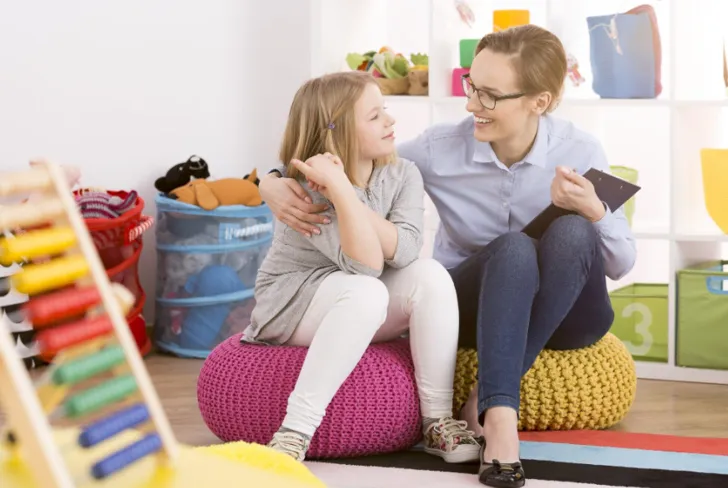
Socializing can be tough for people with autism. However, when we understand the reasons behind these challenges, we can find better ways to help. Some think it’s impossible to break through communication barriers-but that’s not true. With the right tools and support, people with autism can build stronger social skills and connect better with others.
In this guide, we’ll look at nine powerful insights that show how small changes can lead to big improvements. These tips can help make social life easier and more rewarding for everyone involved. Let’s dive in!
The Importance of Social Behavior in Autism
Social behavior is important for making friends and getting along with others. For people with autism, understanding social cues can be difficult.
ABA Therapy is one method that helps build social skills by using positive reinforcement. This approach supports learning how to respond to social situations helpfully and appropriately.
1. Understanding the Role of Empathy
Empathy means more than just caring about others-it also involves understanding how they feel and think. For people with autism, this deeper aspect of empathy can be difficult, often making social interactions more complex or confusing.
Challenges in recognizing facial expressions, tone of voice, or body language can contribute to misunderstandings. However, empathy can be taught in clear, structured ways that make it easier to grasp.
Activities like role-playing or using emotion cards can help individuals identify and respond to different emotional cues. With consistent practice and support, these social skills can lead to more successful and meaningful social connections.
2. Utilizing Visual Supports
Visual tools such as diagrams and charts can make it easier for people to understand social cues and how they should behave in different situations. Many individuals with autism are visual learners, so using pictures and symbols helps make things clearer.
These tools can simplify complex social rules into straightforward, easy-to-follow steps. One example is social stories, which show common real-life events and explain the right way to respond.
By seeing these examples, people can better prepare for what to expect. Using visuals like these can build confidence and make social rules feel less confusing.
3. Managing Sensory Overload
People with autism often have strong reactions to sights, sounds, or other sensory input. When the environment is excessively loud or bright, it can be challenging to connect with others.
Creating a calm, sensory-friendly space can make socializing easier. This might involve using softer lighting, lowering noise levels, or providing access to quiet areas where someone can take a break and feel more comfortable before joining in again.
4. The Impact of Structured Routines
People with autism often do well in structured environments. Having a clear routine helps them feel safe and reduces stress.
When they know what to expect, they are more likely to take part in social activities. This concept can be applied during social situations as well.
Practicing conversations ahead of time or using simple scripts can make talking with others feel easier. Planning what might happen in a social setting can help them feel more confident and less nervous.
5. Building Communication Skills through Social Skills Training
Social skills training helps people learn how to interact with others more easily. It gives them tools they can use in everyday conversations.
During training, they practice various situations to enhance both their spoken communication and body language. They learn things like making eye contact, taking turns while talking, and using the right gestures or facial expressions.
These practice sessions help make social interactions feel more natural. Over time, people often feel more comfortable and confident in social settings.
6. Role of Positive Reinforcement
Positive reinforcement is an effective method for teaching social behavior. It means giving praise or rewards when someone shows the right behavior.
For people with autism, this kind of feedback can encourage them to keep trying. When they get support after doing something well, they often feel more confident.
Even small successes, like saying hello or joining a group, should be celebrated. These moments build a strong foundation for bigger social achievements later on.
7. The Significance of Peer Modeling
Peer modeling is a great way to help build social skills. It works by letting individuals with autism watch others their age interact.
Seeing how peers talk, share, and take turns gives them a clear example of what to do. These real-life moments can be more accessible to understand than merely being told what’s correct.
Planning group activities or playdates gives them chances to learn in a fun and relaxed setting. Without the pressure of a classroom, they can practice social skills in a more natural way.
8. Emphasizing Contextual Learning
Contextual learning emphasizes applying social skills in real-life situations. Instead of only practicing in therapy or at home, individuals with autism can benefit from learning in everyday settings.
This might include going to a community event, visiting a store, or hanging out with friends. These real-world experiences help make social skills appear more natural and practical.
When people practice in different places, they learn how to adjust their behavior based on the situation. Over time, this builds confidence and makes social interactions easier to handle.
9. Increasing Parental and Caregiver Involvement
Parents and caregivers play a key role in helping people with autism develop social skills. Their support creates a safe space where learning can happen without fear.
When family members engage, they can provide more opportunities for the daily practice of social strategies. This makes learning feel less stressful and more natural.
A stable home environment helps individuals feel confident trying out new skills. With support from those closest to them, they are more likely to succeed in social interactions.
Fostering Growth and Connection
Improving social skills in people with autism is achievable through psychology-based strategies like teaching empathy, using visual tools, and maintaining clear routines. These approaches not only enhance social interaction but also support a more fulfilling life.
With the right support, individuals with autism can thrive socially, gaining a sense of belonging and community. As methods evolve, so do the opportunities for growth-starting now can lead to lasting improvements in social connection.
Is this article helpful? Keep reading our blog for more.
